Morocco's Principled Stand on Regional Separatism: Why Rabat Refuses to Play Algeria's Game
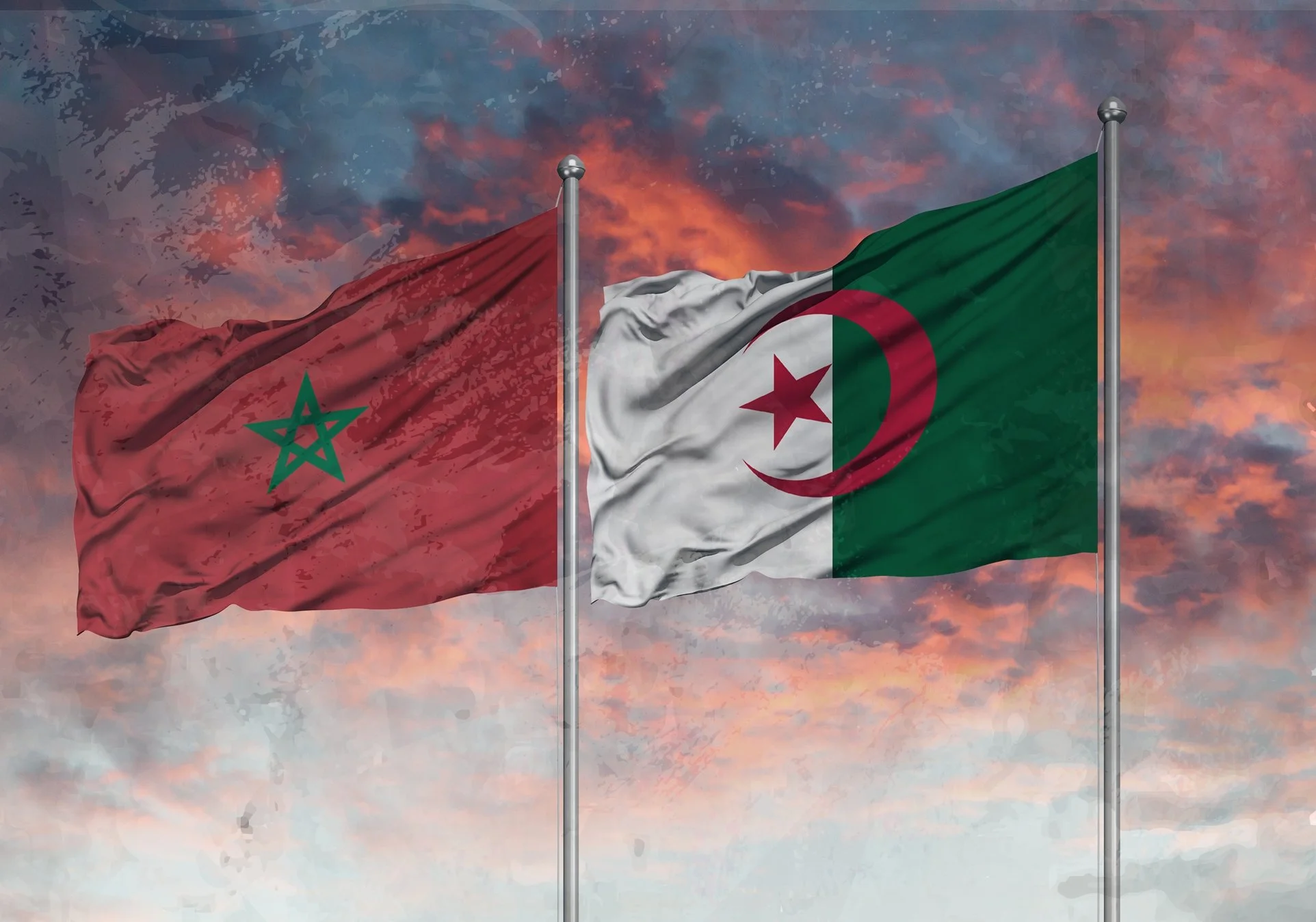
Despite decades of Algerian support for separatist movements within Morocco, the kingdom maintains a strategic policy of non-interference in its neighbor's internal affairs
As the Movement for the Autonomy of Kabylia (MAK) prepares a symbolic declaration of independence from Algeria, scheduled for December 14, Morocco finds itself at a diplomatic crossroads. The temptation to reciprocate Algeria's longstanding support for Moroccan separatist movements is palpable, yet Rabat has consistently chosen a different path—one guided by regional stability rather than retribution.
The Case for Restraint
Morocco's relationship with Algeria has been fraught with tension for decades, much of it centered around Algiers' unwavering backing of the Polisario Front's claim to Morocco's Western Sahara. More recently, Algeria has even attempted to sponsor a minor separatist movement in Morocco's Rif region. Given this history, some Moroccan voices have called for supporting MAK as a form of strategic payback.
However, Morocco's foreign policy establishment has maintained remarkable discipline in resisting this impulse. The kingdom has not opened any official representation for MAK, nor has it provided the movement with diplomatic recognition. This restraint reflects a deeper strategic calculation about regional security and Morocco's long-term interests.
Regional Stability Over Short-Term Gains
Recognizing separatist movements carries consequences that extend far beyond bilateral relations. The Middle East and North Africa region already faces fragmentation challenges in Libya, Sudan, Yemen, and Syria—countries where foreign intervention and civil conflict have threatened territorial integrity. Lending legitimacy to any separatist cause in the region risks establishing a precedent that could accelerate the Balkanization of already fragile states.
Algeria, as Africa's largest country by land area, plays a crucial role in regional security. Its destabilization would send shockwaves through the Maghreb, Sahel, and Mediterranean regions, potentially creating new security vacuums that extremist groups could exploit and generating refugee flows that neighboring countries would struggle to absorb.
A History of Diplomatic Caution
Morocco's measured approach is not new. During Algeria's 2019 Hirak protests, when mass demonstrations challenged the political establishment in Algiers, Rabat maintained strict neutrality. When former Foreign Minister Salaheddine Mezouar made statements perceived as supportive of the protesters, he was swiftly rebuked by Morocco's Ministry of Foreign Affairs, which termed his comments "irresponsible" and "reckless."
This incident demonstrated Morocco's commitment to avoiding any appearance of meddling in Algerian domestic affairs, even when the opportunity to do so presented itself. The principle held firm: Morocco would be an observer of Algeria's internal developments, not a participant.
Strategic Calculation
The Kabylia question represents a genuine grievance with historical roots stretching back to the 1963 armed rebellion, the Amazigh Spring of 1980, the Black Spring of 2001, and more recent tensions including forest fires that some suspect were deliberately set. Yet Morocco recognizes that these issues belong to the Algerian people to resolve.
Moreover, Morocco has its own domestic priorities that demand attention. The kingdom seeks closure on several internal matters while working toward a final resolution of the Western Sahara dispute—an outcome that will likely require dialogue with both the Polisario Front and its principal backer, Algeria. Adding another point of contention to an already strained relationship would only complicate these efforts.
Avoiding the Legitimacy Trap
Algerian authorities have long relied on external threats—real or perceived—to maintain domestic legitimacy. The narrative of Moroccan hostility has been a consistent tool for Algeria's ruling class, particularly its military establishment. By supporting MAK, Morocco would inadvertently strengthen this narrative, providing Algerian leaders with fresh evidence to present to their population of Moroccan interference.
Many ordinary Algerians view the Western Sahara dispute as disconnected from their daily concerns. Moroccan support for Kabylia separatism would likely unite these citizens behind their government, transforming a matter of elite political competition into a genuine popular grievance against Morocco.
A Vision for Regional Integration
King Mohammed VI has repeatedly called for renewed cooperation between Morocco and Algeria and the revitalization of the Arab Maghreb Union. This consistent message reflects a broader vision: that the Maghreb's peoples would benefit more from economic integration and open borders than from continued rivalry and suspicion.
Morocco's refusal to recognize or support MAK aligns with this vision. It represents a bet that principled restraint will ultimately serve the kingdom's interests better than tactical opportunism. Whether this approach will encourage similar restraint from Algeria remains uncertain, but it positions Morocco as the more responsible regional actor—a reputation that carries value in international forums and bilateral relationships beyond the immediate neighborhood.
The Road Ahead
As December 14 approaches, Morocco's position appears settled. Rabat will neither celebrate nor condemn MAK's symbolic declaration. Instead, it will maintain that Kabylia's future is a matter for Algerians to determine, just as Morocco insists that its territorial integrity is not subject to foreign interference.
This stance may frustrate those who see an opportunity for strategic advantage, but it reflects a sophisticated understanding of regional dynamics. In a neighborhood marked by instability and fragmentation, Morocco has chosen to position itself as a force for cohesion rather than division—a choice that may prove prescient as the region navigates an uncertain future.
The question now is whether this principled approach will eventually be reciprocated, or whether Morocco's restraint will continue to be met with Algerian support for movements seeking to divide the kingdom. The answer will likely shape Maghreb politics for years to come.